
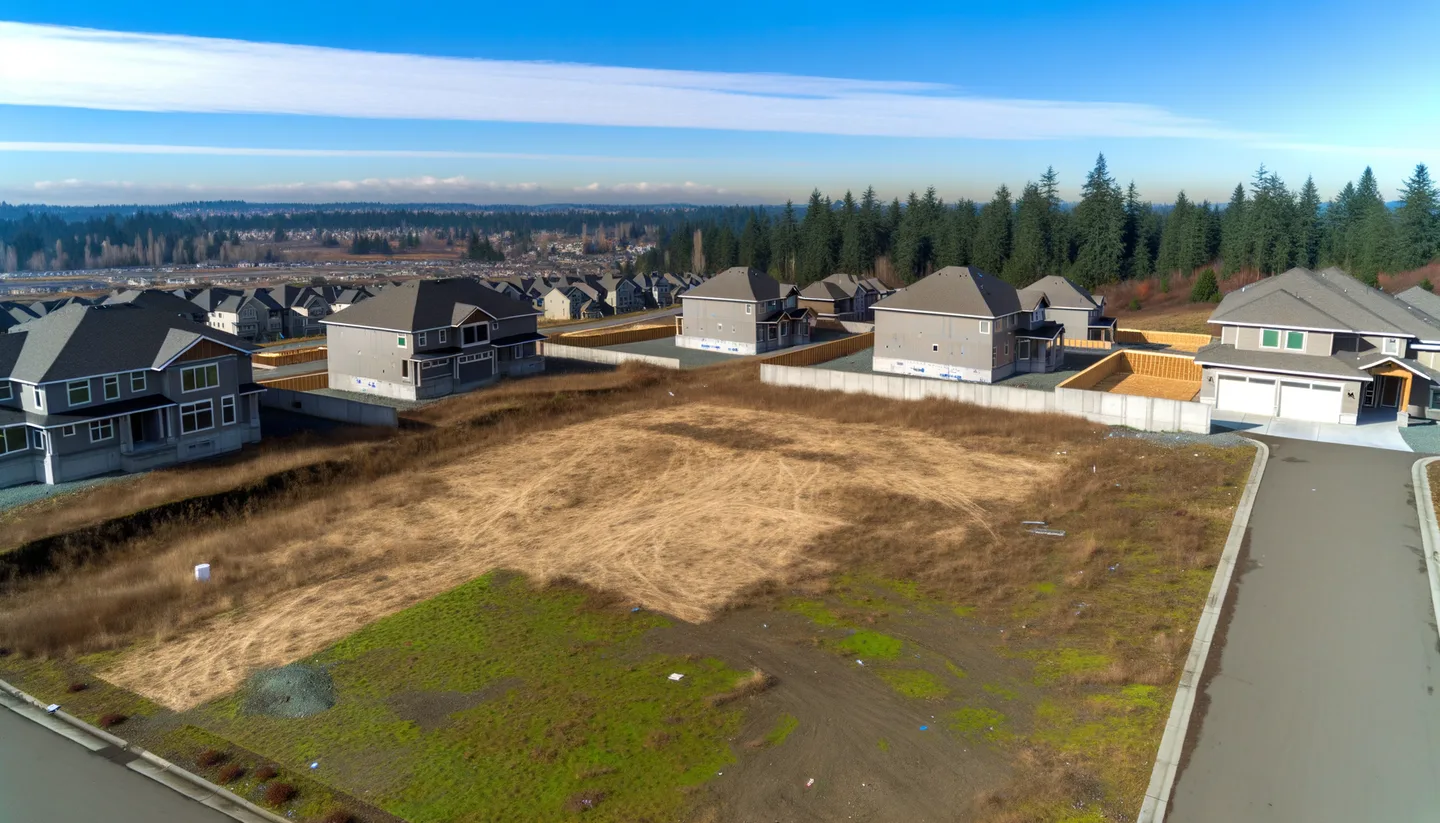
How to Sell Land To A Developer in AZ for Cash
What You Need to Know About Selling Land To A Developer in Arizona
If you're thinking about how to sell your land to developers in Arizona, the process is more nuanced than a typical home sale, but it's absolutely manageable with the right preparation. Developers are generally looking for parcels with strong location fundamentals, clear title, and some level of development potential. Whether you own raw desert acreage or an in-fill lot in a growing suburb, understanding what a developer wants can help you position your property well and negotiate from a place of confidence. This guide walks you through what to expect, from pricing your land accurately to closing the deal, so you can approach any land sale with realistic expectations and a clear plan.
The Context Behind Selling Land To A Developer in AZ
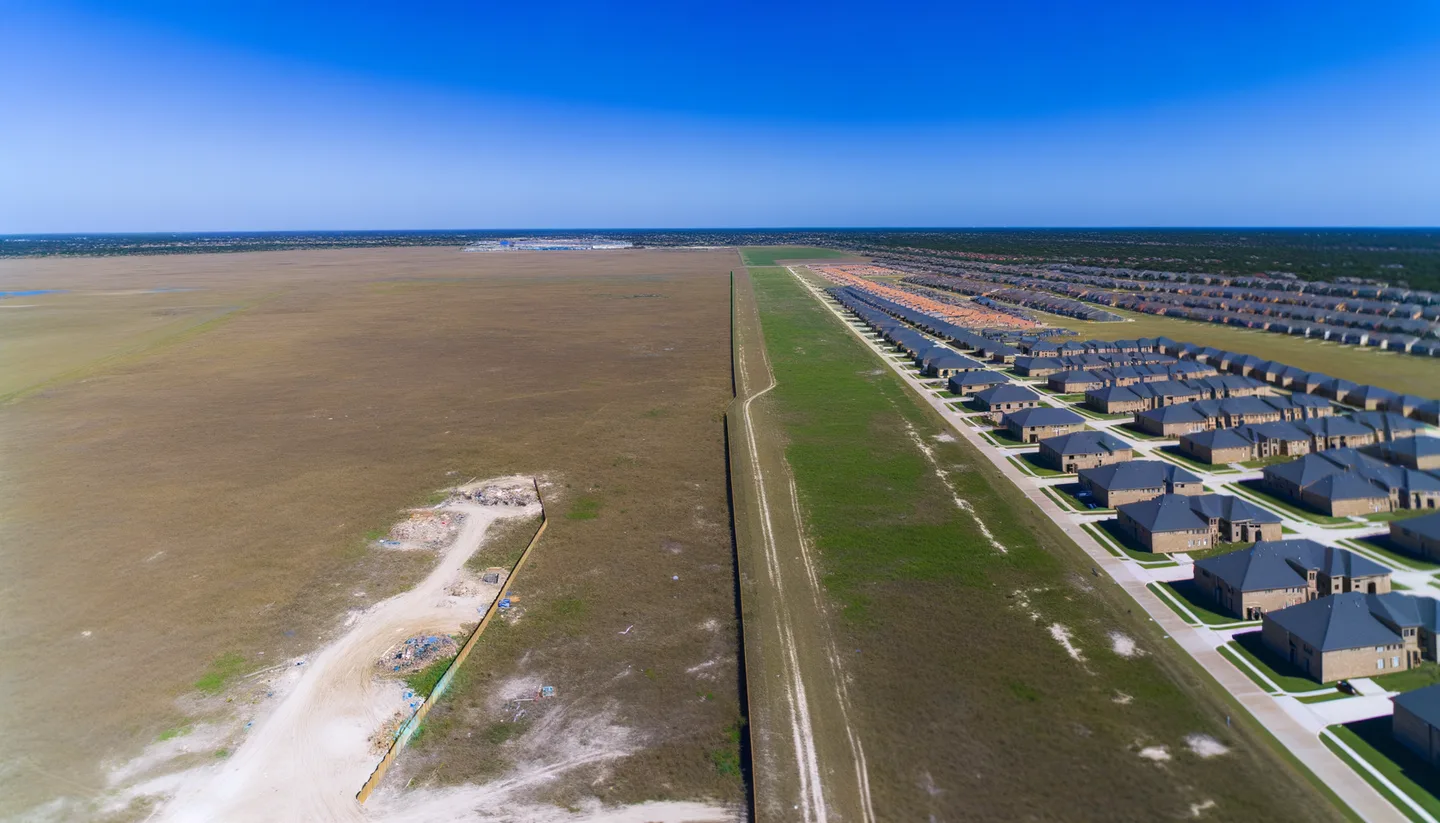
Arizona's population growth has kept demand strong for developable land across much of the state. For any landowner looking to sell, this growth creates real opportunity, but it also brings complexity. Developers often enter the picture with specific needs: access to utilities, favorable topography, and zoning that aligns with their intended use. Understanding those priorities can help you position your parcel strategically.
The real estate market in Arizona varies considerably by region. A vacant lot in the Phoenix metro carries very different market value from a rural parcel in Apache County. Property owners in high-growth corridors may attract multiple competing offers, while those in slower markets might need to be more proactive to reach potential buyers. Either way, knowing the current market conditions in your area before listing your property is essential.
Local zoning regulations are one of the first things developers examine. Zoning laws in Phoenix can differ dramatically from those in Tucson or Flagstaff, according to Gottlieb Law's guide to Arizona zoning. A landowner who understands how local authorities classify their parcel, whether residential, commercial, agricultural, or mixed-use, will be better prepared to market their land to the right buyer pool.
Beyond zoning, the sale process often involves title review, environmental screening, and negotiation over development contingencies. Land buyers who are developers may also propose joint ventures or option agreements rather than an outright purchase, especially when entitlement work is required before they can move forward. Working with a real estate attorney early in the selling process can help you evaluate these structures and protect your interests. Landowners with properties in your area who are unfamiliar with these arrangements sometimes leave money on the table simply by not knowing what's negotiable. Being informed before you begin development projects of this scale puts you in a much stronger position.
Step-by-Step: How to Sell Land To A Developer in Arizona

Knowing where to start makes the process far less overwhelming. Here is a practical sequence to follow when you're ready to sell land to a developer in Arizona.
1. Understand What You Own
Before you can sell land effectively, you need a clear picture of your parcel. Pull your county assessor records, confirm your legal description, and identify any easements or encumbrances. Raw land and undeveloped land that lacks road access or utility hookups will typically require more due diligence from a buyer, so knowing those limitations upfront helps you set realistic expectations.
2. Research Comparable Sales
Look at similar properties that have recently sold in your county. Development land pricing is heavily influenced by location, entitlement status, and the buyer's intended use. Understanding what similar properties have traded for gives you a baseline for setting your asking price and evaluating any offers you receive.
3. Get a Realistic Valuation
Consider hiring an appraiser who specializes in land or consulting planning consultants who understand what developers in your region are actively seeking. The purchase price a developer will offer depends on what they believe they can build and what that finished project will be worth. Land selling without this context often results in underpricing.
4. Prepare Your Documentation
Gather your deed, any survey data, zoning confirmation letters, and utility information. Under Arizona law, every deed transferring real property must include a completed Affidavit of Property Value (Form 82162) when recorded with the county recorder, per A.R.S. §11-1133. The standard recording fee is $30.00 per document, a flat rate that has been in place statewide since July 1, 2019.
5. Approach Developers Directly or List Strategically
Selling to a developer can happen through a broker, a direct outreach campaign, or a land-focused marketplace. Each approach has tradeoffs. A contingency clause allowing the developer time to complete due diligence is common and should be negotiated carefully. A well-prepared sale of your property moves faster and with fewer surprises when your documentation is already organized.
For landowners in high-activity markets like Maricopa County, connecting with buyers who are actively acquiring in that region can shorten your timeline significantly.
Common Complications When Selling Land To A Developer in AZ
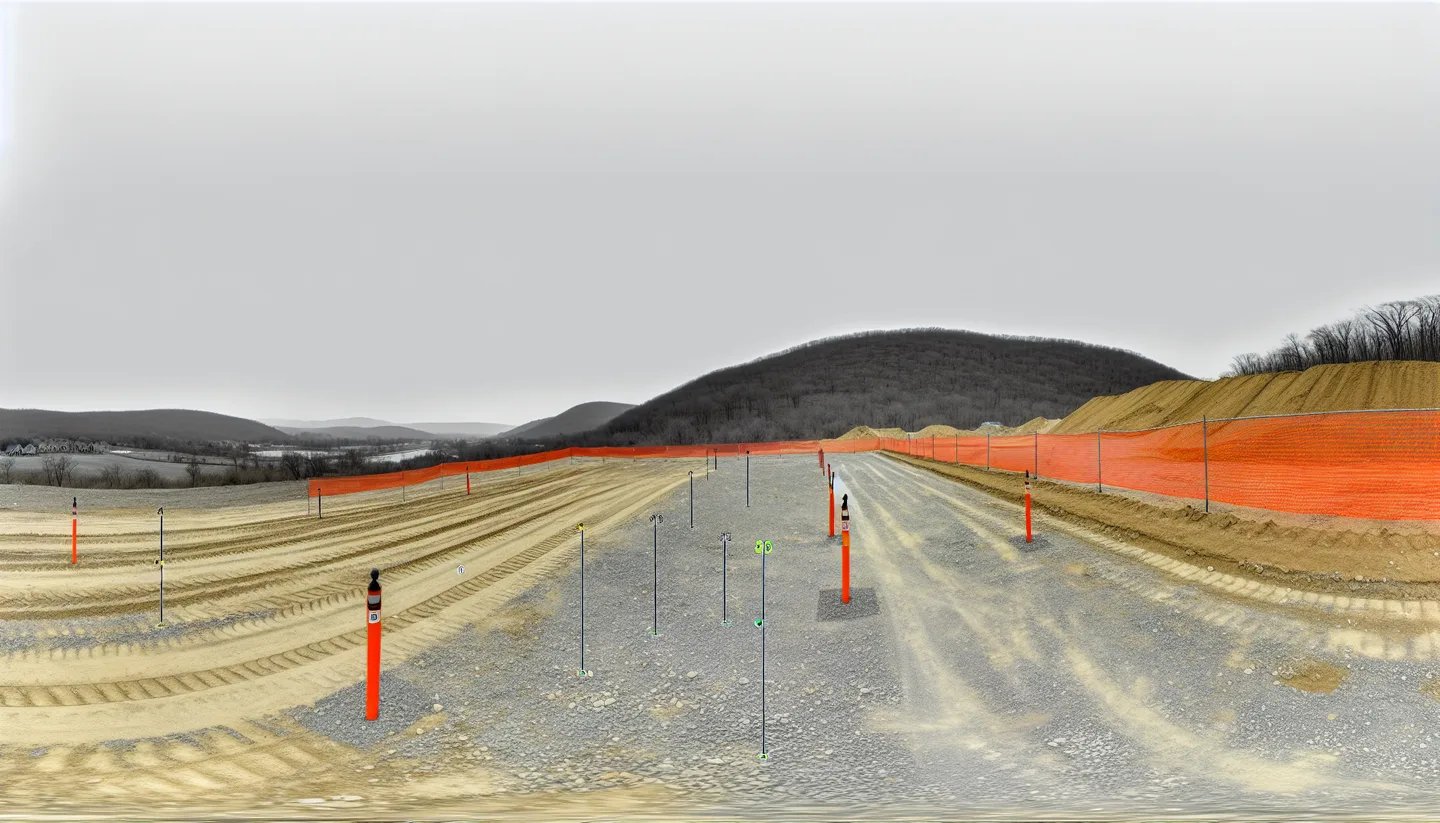
Even well-prepared sellers encounter friction during the process of selling land to a developer. Knowing what complications arise most often helps you plan for them rather than react to them.
Zoning and Rezoning Hurdles
The process of selling land with favorable zoning is considerably smoother than selling a parcel that requires rezoning before development can begin. Land developers evaluating a site for commercial real estate or residential use will factor rezoning risk into their offer, sometimes dramatically reducing the purchase price to account for approval uncertainty. Sellers who pursue zoning variances before going to market may recover that investment many times over.
Due Diligence Periods
In Arizona, the standard due diligence period for real estate contracts is 10 days from contract acceptance, though this is negotiable between parties, according to Wise Move AZ. Commercial property transactions and larger development parcels often involve longer inspection windows. During this time, land developers may conduct surveys, environmental reviews, and feasibility studies. Be prepared for the deal to evolve or for buyers to renegotiate based on what they discover.
Water Rights
Arizona has active General Stream Adjudications for both the Gila River and Little Colorado River systems, ongoing court proceedings that determine water rights. Land affected by these adjudications may require the parties to execute an Assignment of Statement of Claimant form, according to the Arizona Association of REALTORS®. This adds complexity to any sale of land in affected areas.
Buyer Rescission Rights
Under A.R.S. §32-2185.01, a buyer of an unimproved lot who has not inspected the property before signing has a six-month period to inspect and potentially rescind. Understanding this right matters whether you're working with potential land buyers directly or through a real estate agent. It affects how you structure timelines and contingencies for land for development.
Common Questions About Selling Land To A Developer in Arizona
How much will a developer pay for land?
The value of your land from a developer's perspective is tied directly to what they can build on it and what that project will generate in revenue. Developers are skilled negotiators who back-calculate from projected finished values, subtracting construction costs, profit margin, and risk. Market conditions, zoning, access, and parcel size all influence the final number. Reviewing recent land acquisition activity in your area and consulting a real estate professional can help you understand where your property fits within current market trends.
Can You Sell Land to a Developer Without a Solicitor?
In Arizona, you are not legally required to use an attorney to sell land, but doing so is strongly advisable, particularly with developer transactions. Contracts for development land often include complex contingencies, option clauses, and earnest money provisions. A misstep in any of these areas can cost you significantly. Even if you list your property online and handle initial outreach yourself, having a legal professional review the purchase agreement protects your interests before you sign anything.
How to avoid paying capital gains when selling land?
Avoiding capital gains entirely is rarely possible, but minimizing your tax burden is achievable with planning. Arizona imposes a flat 2.5% state income tax rate on capital gains from land sales, treating them as regular income. However, Arizona allows a 25% subtraction on net long-term capital gains, which effectively reduces the state rate to approximately 1.875% for land held more than one year. At the federal level, long-term capital gains rates are 0%, 15%, or 20% depending on your income, with an additional 3.8% Net Investment Income Tax applying to high earners above $200,000 (single) or $250,000 (married filing jointly). A 1031 exchange is one legitimate strategy to defer gains, but it requires reinvesting proceeds into a qualifying like-kind property. Consult a tax advisor before any transaction.
Are you thinking about selling your land?
If so, getting organized early pays off. Start by confirming your property's zone classification with your county planning department, then research what potential developers are building nearby. Vacant land that sits near active construction or recently approved subdivisions is typically easier to market because developer interest in that corridor is already demonstrated. Understanding your parcel's position relative to utilities, roads, and approved projects helps you make a stronger case to buyers.
Are you a landowner and wondering, "How do I sell your land to a developer?"
The short answer is: start by understanding what you own, then find buyers whose acquisition criteria match your parcel. Vacant land with clear title, confirmed zoning, and accessible utilities moves faster than parcels with unresolved issues. Reaching out to local developers, listing on land-specific platforms, or working with a land-focused brokerage are all reasonable starting points. If your parcel is in a growing area like Show Low, there may already be active buyers looking for exactly what you have. The key is knowing your property's strengths before the conversation begins.
Your Options for Selling Land To A Developer in AZ
Selling land to developers in Arizona involves more moving parts than a standard home sale, but landowners who prepare carefully, understand their zoning, address potential environmental conditions early, and know their numbers are in a much stronger position at the negotiating table. Environmental assessments, water rights, and local regulations all factor into how a real estate developer evaluates your parcel, and being ahead of those questions builds credibility with serious buyers.
If you're ready to explore your options or simply want a no-pressure conversation about what your land might be worth, we're here to help. Reach out to us at Sell Arizona Land, and let's talk through what makes sense for your situation.
Need to sell your Arizona land? We buy land directly from owners for cash, with no fees, no commissions, and we close in as little as 2 weeks.
Loading form...